Articles
Original reporting and analysis from The Biz Vault editorial team.
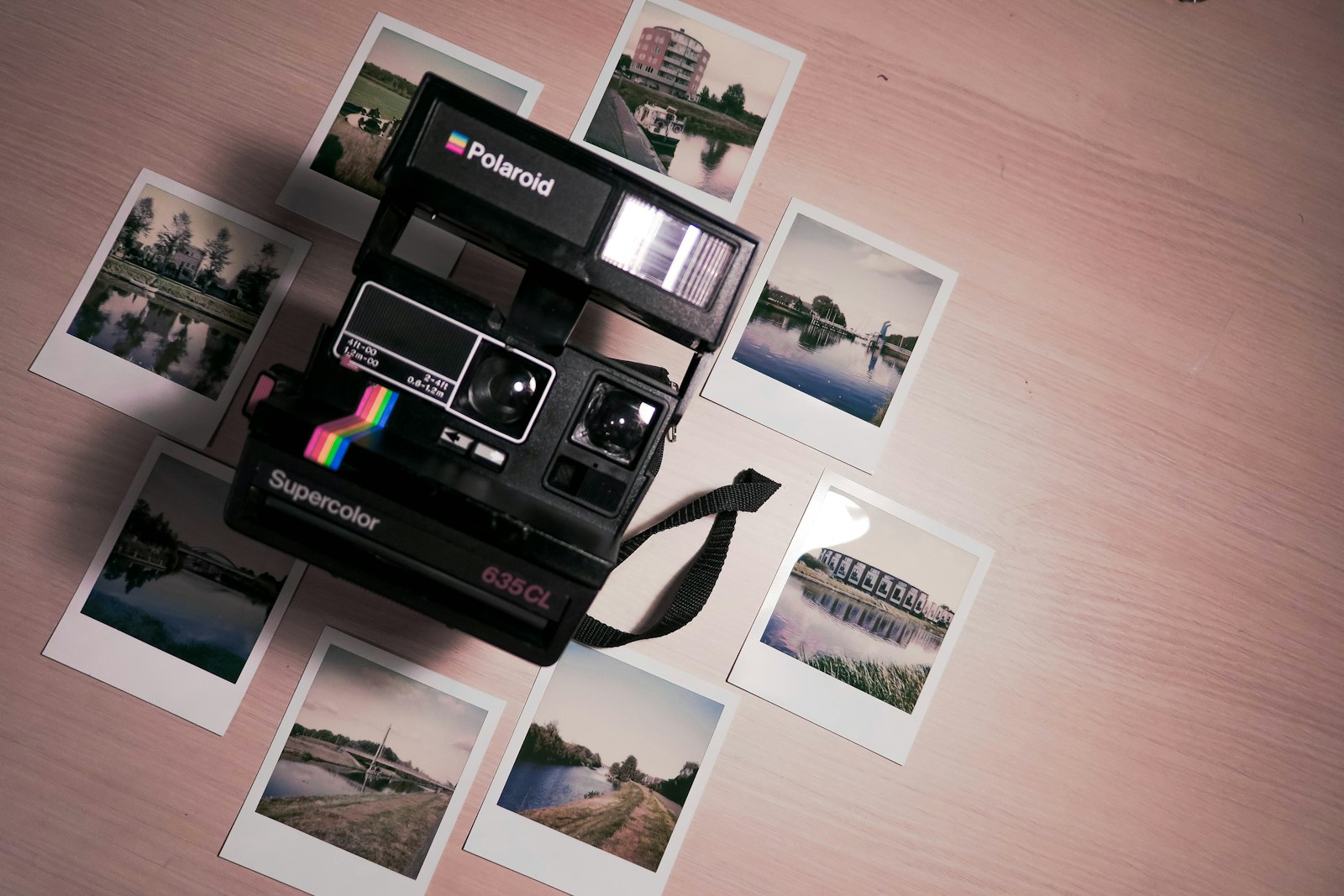
Edwin Land: The Inventor Steve Jobs Modeled Himself On, and the Company That Forgot Him
Edwin Land held 535 patents — second only to Thomas Edison. He invented instant photography. He built a company Steve Jobs called 'a national treasure.' Then his board pushed him out, the company collapsed twice into bankruptcy, and one of the bankruptcies was caused by a $3.65 billion Ponzi scheme run by its new owner.
By The Biz Vault Editorial
 History·May 5, 2026
WeWork: The Six Weeks That Took $47 Billion to Zero
On August 14, 2019, WeWork filed its IPO prospectus. On September 17, the IPO was withdrawn. In between, an investing public discovered that the most-hyped private company of the previous decade had been operating, in plain sight, with the governance practices of a family business.
 History·May 4, 2026
Sears Roebuck: The Amazon of 1900 That Took 130 Years to Die
By 1900, you could buy almost any product manufactured in America from a single mail-order catalog and have it delivered to your farmhouse. The company behind the catalog was, by every reasonable measure, the original Amazon. It also took 130 years to forget how to be.
 History·April 30, 2026
Long-Term Capital Management: The Nobel Laureates Who Broke the Global Economy
In 1998, a hedge fund staffed by two Nobel Prize-winning economists and the most decorated bond traders on Wall Street lost $4.6 billion in four months. The Federal Reserve had to organise a rescue to prevent the global financial system from collapsing.
 History·April 29, 2026
Kodak Invented the Digital Camera in 1975 and Buried It to Protect Film
An engineer at Kodak built the world's first digital camera in 1975 — twenty-three years before any consumer could buy one. The company's executives understood exactly what it meant. They chose to suppress it. The decision destroyed the company.
 History·April 26, 2026
Enron and the Accounting Trick That Faked $74 Billion in Earnings
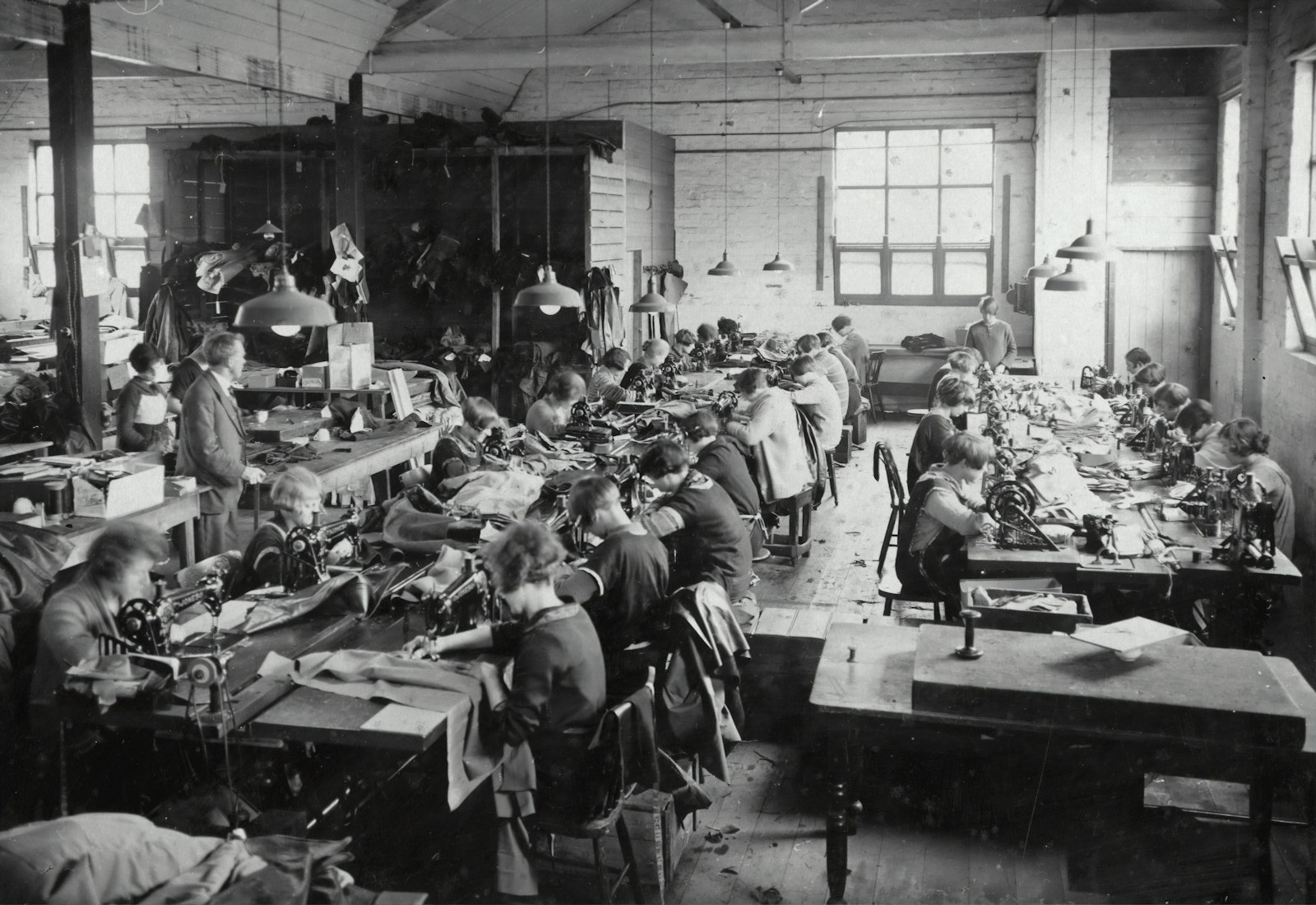
Enron was, for six straight years, the most innovative company in America according to Fortune magazine. The innovation, it turned out, was an accounting method that allowed the company to book the entire future profit of any deal on the day the deal was signed.
 History·April 26, 2026
Henry Ford's $5 Day Was Not Generosity. It Was Turnover Control.
In 1914, Henry Ford doubled the wages of every man on his assembly line and told the press it was a moral act. The truth was that his factory had a 370 percent annual turnover rate, and the math of replacing workers had become more expensive than paying them.
 History·April 26, 2026
New Coke 1985: The 77-Day Marketing Disaster That Saved Coca-Cola
In 1985 Coca-Cola replaced its hundred-year-old formula with a sweeter version called New Coke. The backlash was immediate, total, and led to seventy-seven days of crisis. Decades later, some Coca-Cola insiders still argue privately that the disaster was the best marketing decision the company ever made.
 History·April 26, 2026
The Air Jordan: The NBA Fine That Built a $4 Billion Business
When Nike signed an unproven rookie named Michael Jordan in 1984, the company was a distant third in the basketball-shoe market. Then the NBA banned the shoe. Then Nike paid the fine. The combination created the most valuable single product line in apparel history.
 History·April 25, 2026
Coca-Cola's Cocaine Years and the Pharmacist Who Sold the Formula for $2,300
John Pemberton was a Confederate soldier with a shrapnel wound, a morphine addiction, and a side hobby in patent medicine. The drink he invented to wean himself off morphine became the most valuable consumer brand on earth. He died broke.
 History·April 25, 2026
De Beers and the Engagement Ring That Was Invented in 1947
Before 1947, almost no one in America believed an engagement ring needed a diamond. The reason that changed is one of the most successful manufactured-demand campaigns in business history — and it's never been undone.
 History·April 25, 2026
How Microsoft Bought an Operating System for $50,000 and Built a Trillion-Dollar Empire on It
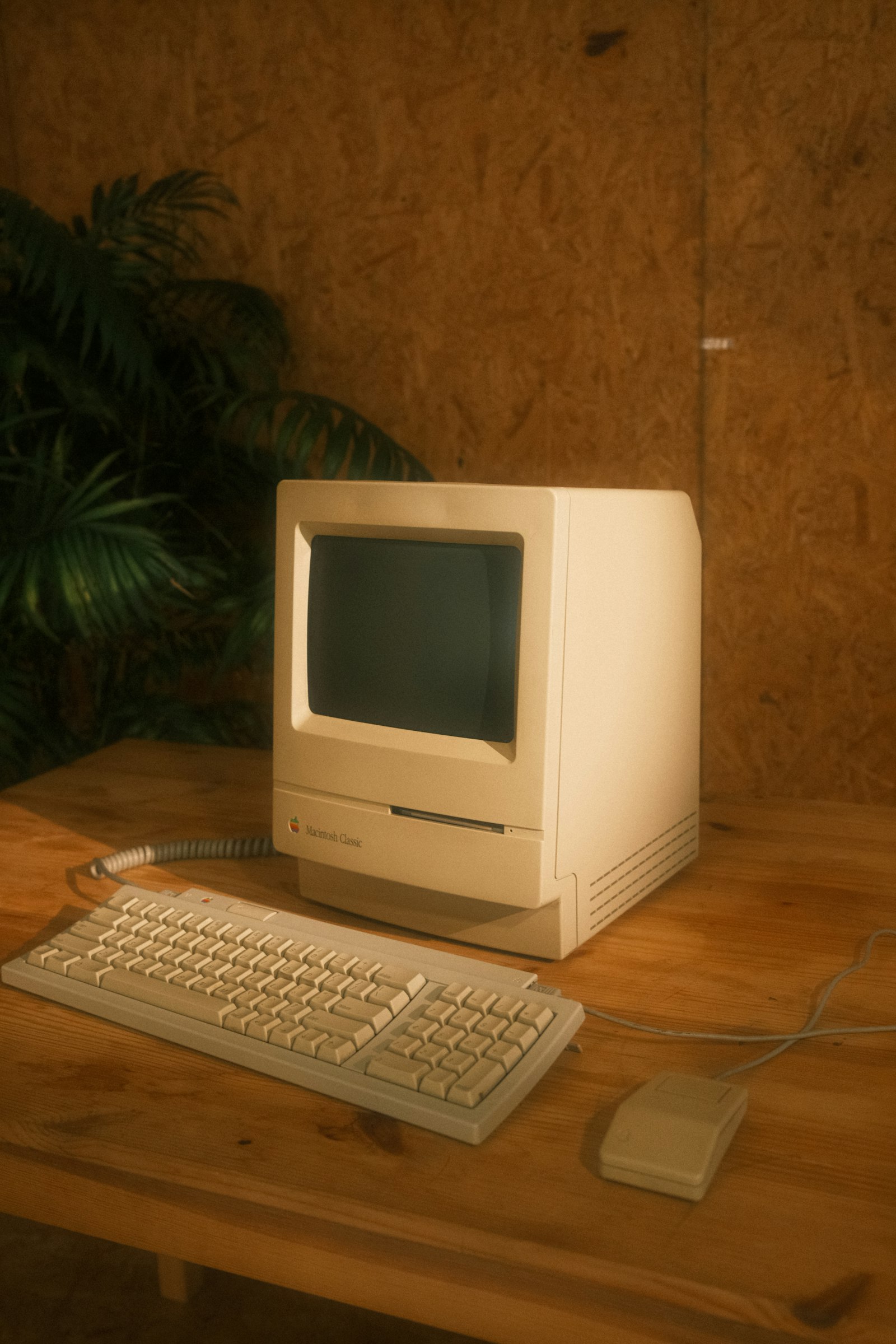
When IBM came to Bill Gates for an operating system in 1980, Microsoft didn't have one. So they bought somebody else's for $50,000, renamed it, and licensed it back to IBM in a deal that gave Microsoft control of the personal computer industry for the next forty years.
 History·April 25, 2026
How Ray Kroc Took McDonald's From the McDonald Brothers
Two brothers built the most efficient hamburger restaurant ever conceived. A milkshake-machine salesman walked into it, became their franchising partner, and within fifteen years owned everything — including their own surname. They died never receiving the royalties they were promised.
 History·April 25, 2026
Standard Oil and the Monopoly That Broke Itself Into the Richest Companies on Earth
John D. Rockefeller built the most complete monopoly in American history, then watched the Supreme Court order it broken into 34 pieces. Within twenty years, those pieces — including ExxonMobil and Chevron — were collectively worth five times what the original company had been.
 History·April 25, 2026
The East India Company: The Corporation That Had Its Own Army
For nearly two centuries, a single private company ruled most of the Indian subcontinent. It collected its own taxes, fought its own wars, and at its peak commanded a standing army twice the size of Britain's. Then it bankrupted itself.
 History·April 25, 2026
The Orphans Who Still Own the Hershey Chocolate Company
Milton Hershey had no children. So in 1909, he and his wife Catherine put their entire fortune — including controlling ownership of the chocolate company — into a trust for orphan boys. A century later, that trust still owns the company, and the orphans still get the dividends.
 History·April 25, 2026
Theranos and the $9 Billion Fraud Silicon Valley Refused to See
Elizabeth Holmes raised $945 million for a blood-testing technology that never worked. Her board included two former US Secretaries of State, a four-star general, and a former US Defense Secretary. Not one of them was a doctor.
 History·April 25, 2026
Tulip Mania, 1637: The First Financial Bubble in Recorded History
In the winter of 1637, a single tulip bulb in Holland could be traded for the price of a canal-side house in Amsterdam. By the spring, the same bulb was worth nothing. Almost every modern bubble has, structurally, been a repeat of what happened that winter.